'I was talking about this connection , with my Dad , who is 83, and how interesting it was that you are close to Loch Broom , where our ancestors came from . I also questioned him about them coming over on the Hector as that was what I had always been told. Anyway Dad then said he wasn't sure on that now.... so I 've been going back through the family records as I never really questioned it before now. And so I must set the record straight..... The Hector sailed in 1773.......my great, great grandfather Murdock MacLean, was born in Loch Broom in 1782 , his wife , Mary Innis born in Loch Broom, 1801......needless to say, they didn't quite make that boat!!Their first child, Rodrick Mclean was born in Riverdale , Nova Scotia in 1820, my great grandfather , Murdock MacLean was born 2 years later. I am not certain when the family left Scotland. My grandfather, James Murdock Maclean, was the only one in his family to live in Cape Breton. He started out as a tailor,working in the coal mining town of Inverness in the Cape Breton Highlands. '
30.9.06
'I was talking about this connection , with my Dad , who is 83, and how interesting it was that you are close to Loch Broom , where our ancestors came from . I also questioned him about them coming over on the Hector as that was what I had always been told. Anyway Dad then said he wasn't sure on that now.... so I 've been going back through the family records as I never really questioned it before now. And so I must set the record straight..... The Hector sailed in 1773.......my great, great grandfather Murdock MacLean, was born in Loch Broom in 1782 , his wife , Mary Innis born in Loch Broom, 1801......needless to say, they didn't quite make that boat!!Their first child, Rodrick Mclean was born in Riverdale , Nova Scotia in 1820, my great grandfather , Murdock MacLean was born 2 years later. I am not certain when the family left Scotland. My grandfather, James Murdock Maclean, was the only one in his family to live in Cape Breton. He started out as a tailor,working in the coal mining town of Inverness in the Cape Breton Highlands. '
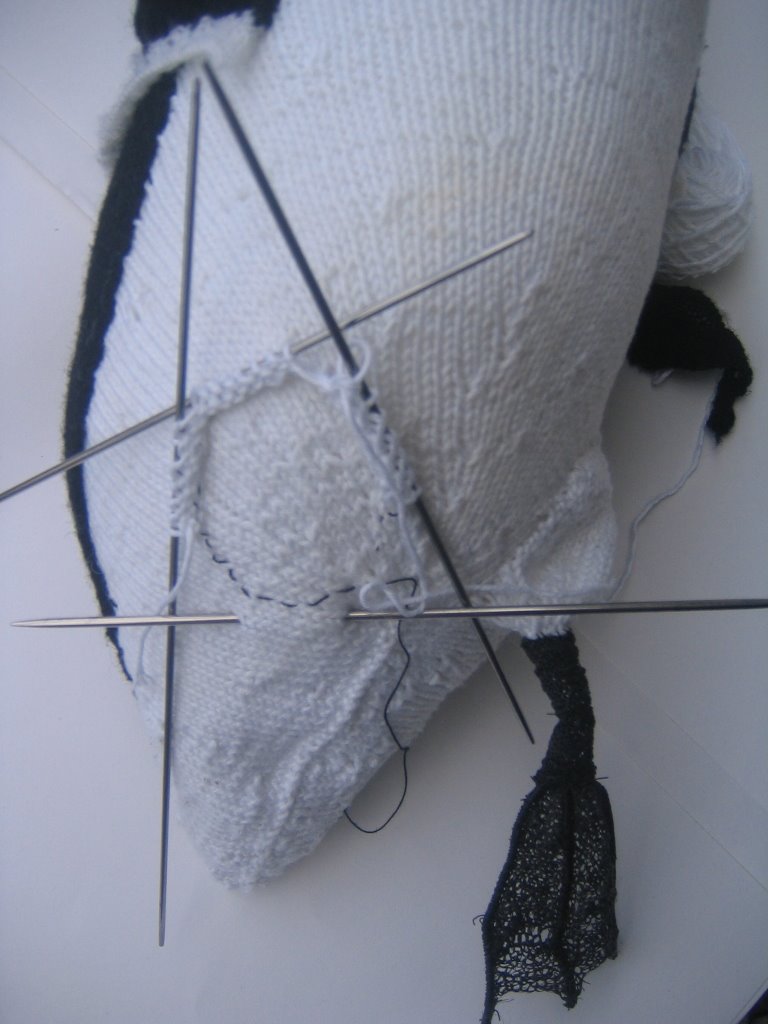
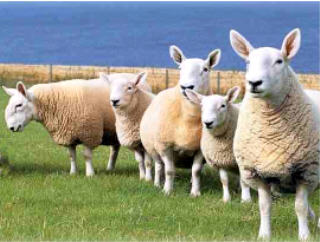
the knitting begins again!
i am now attempting to knit an albino oystercatcher using wool spun from the cheviot sheep.oystercatcher,gaelic names gille brighde, drilleachan, dollaid.
gille brighde servant of st bridget, onomatopoeic name,
dolaid means impatient
the call is said to resemble the gaelic ' bi glic, bi glic', ( be wise be wise ) appropriate for a bird under the protection of the patron saint of birds st bride
29.9.06
http://www.bhkc.co.uk/data/knitted_textile_artists.htm#Deirdre
28.9.06
'Probably the most unusual bird - an albino oystercatcher with a twisted bill - now resides, stuffed, in an Edinburgh museum having died on Handa in 1967' 26.9.06
24.9.06
22.9.06
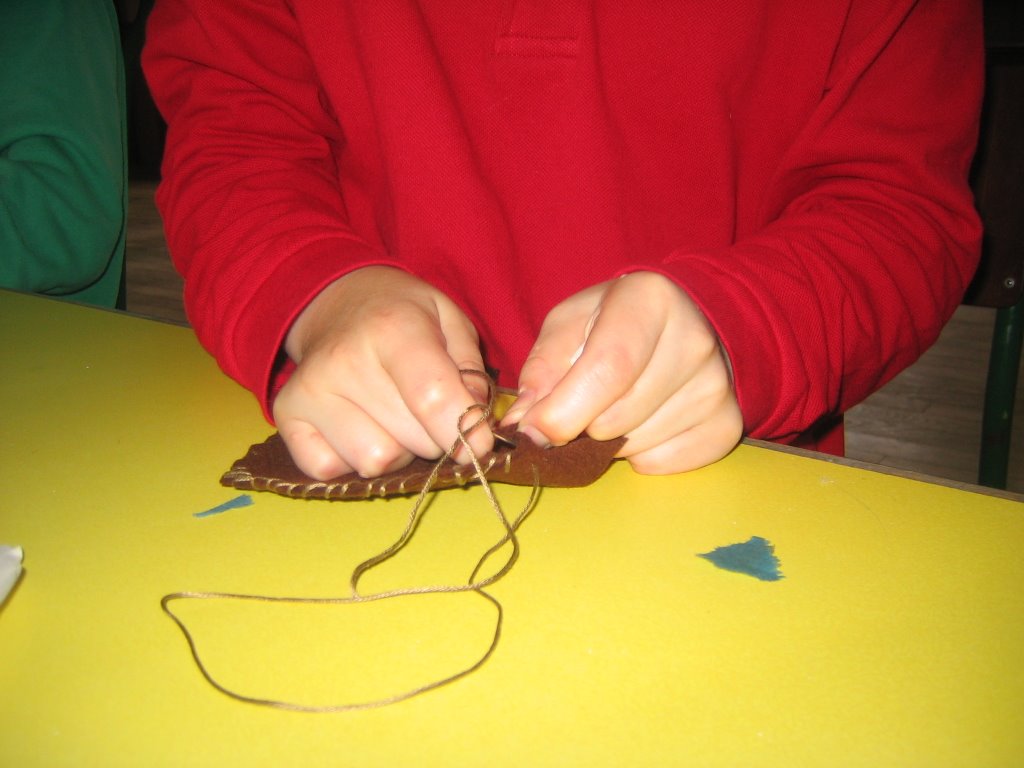
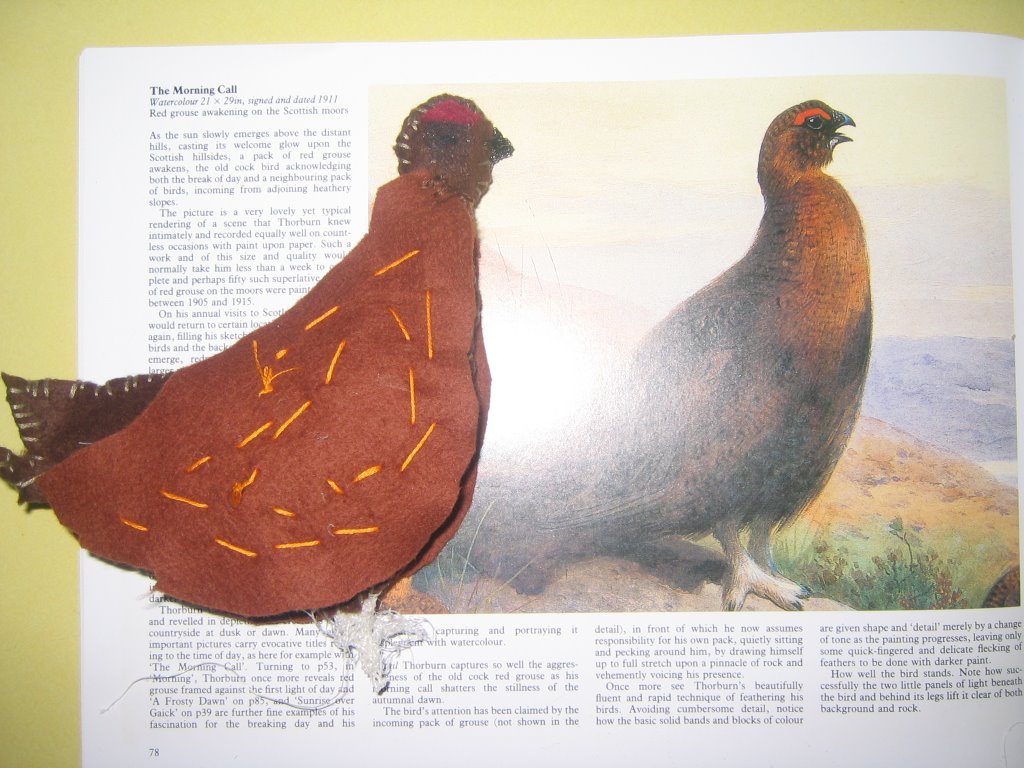
i have been working in the local schools making birds . in one school the children have not been working with sea birds and the birds of Handa but local birds in the area. each child has chosen a bird to represent themselves depending on their characteristics. the girl who is making this red grouse plays computer games all the time so she decided to be a 'game' bird. they have been making the birds from felt and then stitching and following some of the techniques i have used to make beaks and feet.
19.9.06
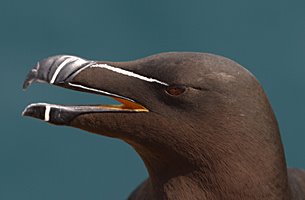
today i have been trying to finish the head of the razorbill and add the eyes. the beak and eyes are stitched with black twine collected from the beachi have been adding the white stripe by darning silk thread into the knitting . this ties in well with ideas of making the heads of the birds by using techniques involved with turning the heel of socks .
17.9.06
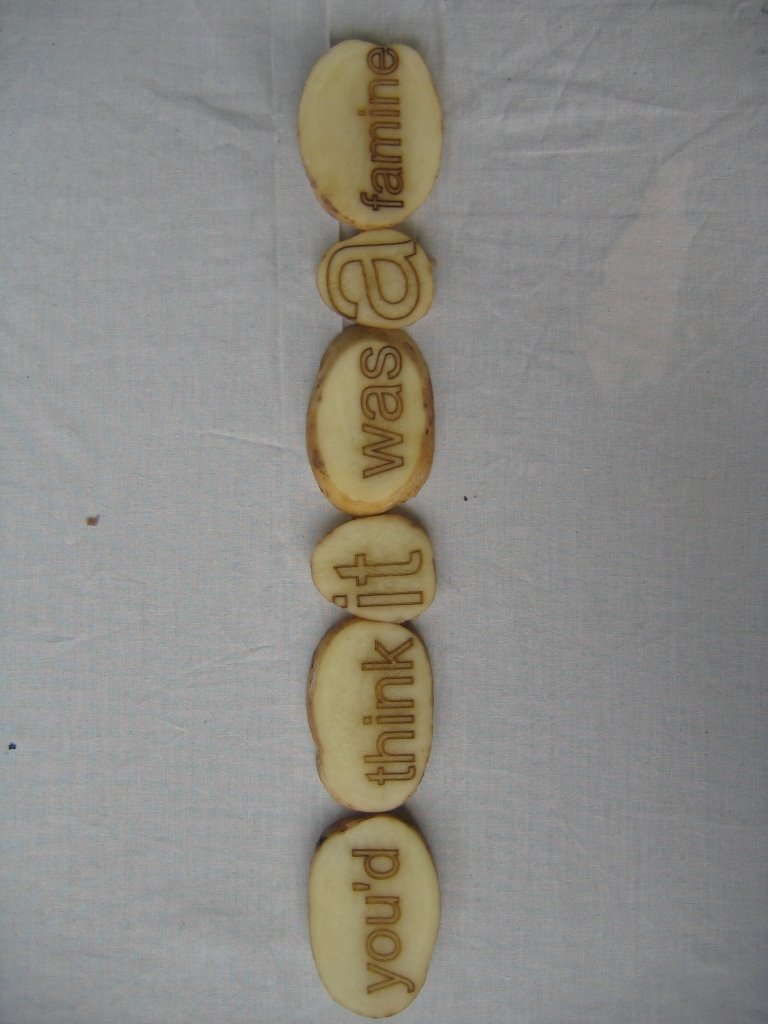
i have just been to Belfast to 'interface' a new textile research centre. http://www.interface.ulster.ac.uk/this visit was a continuation of the process . i started experimenting with potatoes, (a staple of irish cuisine).. i was also thinking aobut the potato famine and this ties in well with my residency here also. people left handa at a time of famine and arrived in cape breton with famine there also.
12.9.06
8 ply wool
1 pair No 9 needles (3.75)
1 pair No 11 Needles (3.00) Method:
Cast on 36 Stitches
K1 P1 to the end of row
Repeat for 7 rows
Change to K2 P2 and increase on stitch at each end of every row 4 times (44 Stitches)
Continue until work measures 10 CM
Decrease 1 stitch at each end of every row until 28 stitches remain
Decrease 1 stitch in the middle of the next row
Leave on needle or stitch holder
Make second side the same as the first
Using the No 11 needles knit both sides onto these needles and K1 P1 for 22 rows. Cast off.
Stitch up the sides to the beginning on the decreasing to 27 stitches, this is to be left open for each flipper. Stitch up the neck.
The finished jumper should measure 4.5” (115mm) wide and 7.5” (190mm) longIf you are a loose knitter, use smaller needles.
8.9.06
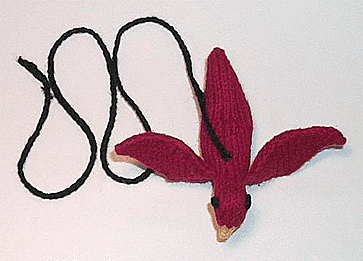
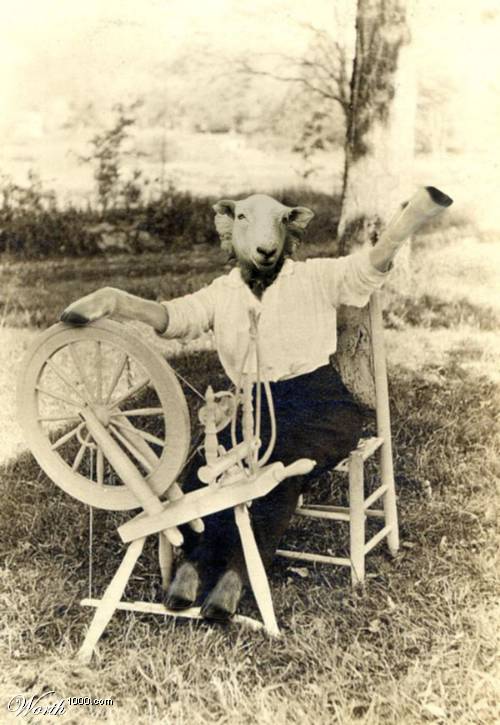
i found this picture of a knitted bird and really like the simplicity of it. i have been thinking again about knitting with wool spun from cheviot sheep and making birds solely from that wool.I discovered that there was an albino bird on Handa at one time. i could make an albino oystercatcher from the cream wool spun from the cheviot sheep.
'Probably the most unusual bird - an albino oystercatcher with a twisted bill - now resides, stuffed, in an Edinburgh museum having died on Handa in 1967'
6.9.06
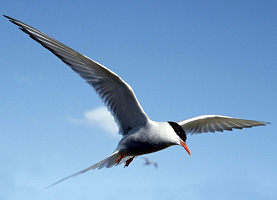
Artic tern is a small bird that takes the longest migration of any birdIt flies over 21,750 miles ( 35,000) each year roughly the circumference of the earth . They live in large groups called colonies
i have been thinking again about migration and emigration and been looking at artic terns. i discovered that 'Immediately before beginning migration a noisy colony of birds suddenly becomes quiet and they all take to the air and fly away this behaviour is called ‘the dread’ i wonder if there was the same 'dread 'before emigrating
5.9.06
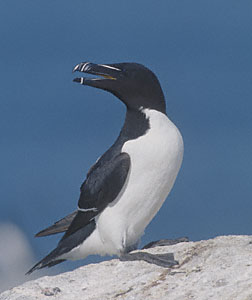
i am still trying to knit a razorbill but am nearly there .. i just have to work out how to do the beak. i have been reading a great book called 'Scottish Birds'. culture and tradition by Robin Hull. It has some great information about the birds and on folklore related to them.razorbill.. family alcidae, the auks
auks generally are poor walkers on land and this has given rise to the saying 'drunk as an auk'
both guillemot and razorbill have short stiff wings that double up as underwater flippers once they plunge beneath the surface. in france the name for razorbill is 'petit pingouin'
4.9.06
2.9.06
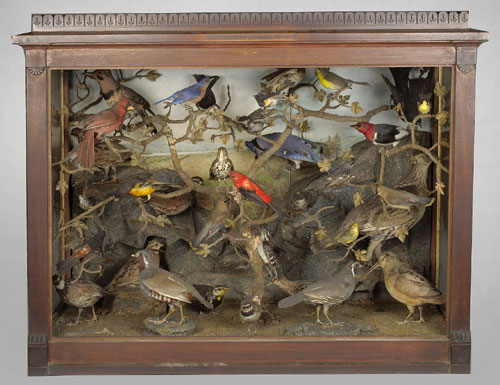
i have been thinking of a way of presenting the birds i have made and have thought about victorian bird cases.. the era would tie in well with the dates of people leaving Handa.( 1847) there is something quirky and quite sinister about these bird cases. an additional element could be that of sound recordings associated with Handa and the birds .