puffin gin
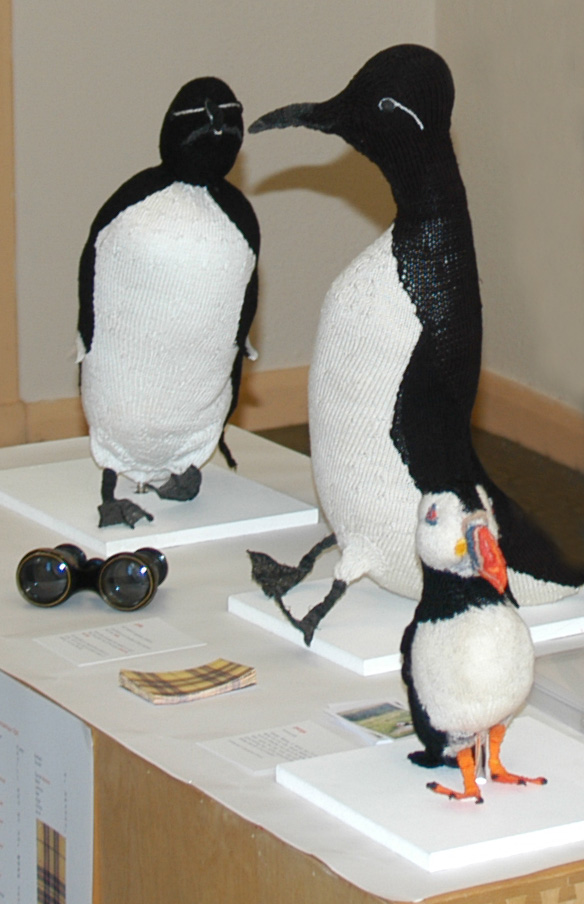
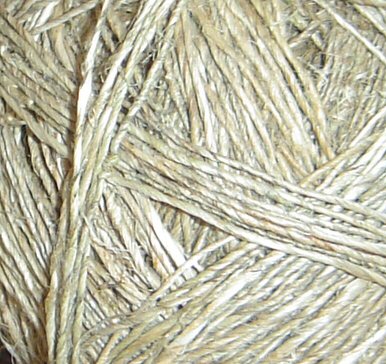
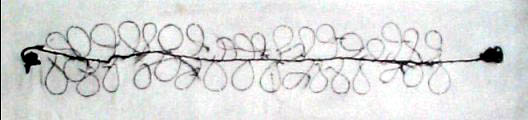
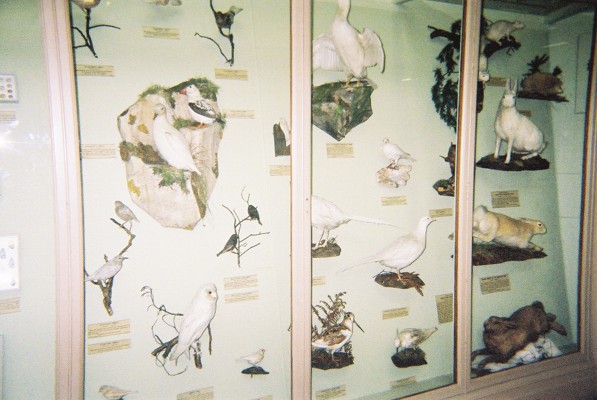
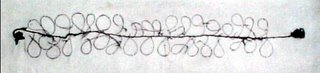
when i was in Edinbirgh museum i found what is called a 'puffin gin' a rope used for snaring puffins..

Finlay Gillies catching puffins
'Snaring puffins
'When we reached a point some five or six hundred feet up, our boat,
which we could see tossing on the waves below, looked like a little
chip. Nothing was visible of her except her gunwale and seats, upon
which were three small figures - our friend Mr Young, and a man and a
boy who had been left in charge.
I got Finlay Gillies to lay a Puffin snare on a rock which jutted out
seawards, and was considered the favourite spot on all the St Kilda
group of islands for the sport. Before he laid the engine of destruction
down, the crag had been covered with birds; but the sight of the bit of
rope, weighted at either end with a stone and crowded with horse-hair
nooses in the middle, made them fight shy of it for a while as they flew
past in perfect clouds.
By-and-by one individual, bolder than the rest, alighted on the rock,
and with an air of foolish curiosity commenced to step along sideways
towards where the snare was set. He pulled several of the nooses about
with his beak, and after examining them for awhile grew bolder. Poor
bird! his inquisitiveness cost him something; for in the course of his
investigations one of his feet slipped through a noose, and when he came
to lift his leg he discovered that he was a prisoner. He contested his
captivity with great spirit and vigour, to the fright of all the other
members of his species that kept on flying close past in a continuous
and exhaustless stream, until he became either weary of the struggle or
convinced of its uselessness, and rolled over upon his side.
Whilst the captive remained quite still several birds alighted beside
him, but directly he stirred they all promptly decamped. They were soon
back again, however, and fell to poking about and examining the snare,
at which pastime they were solemnly engaged until their relative in
bondage had regained his breath and began to beat his wings violently.
At this they started up to fly away, but one of them suddenly discovered
that he was unable to do so. He had become inextricably entangled, and
without the slightest ado set about his fellow-prisoner, evidently
thinking that he was the author of all the mischief.
After they had fought and argued, argued and fought, alternately, over
the matter for several minutes, they effected a temporary reconciliation
and lay on their sides quite still. Presently the other Puffins came
back, and alighting, looked on in gaping wonderment, everyone, however,
taking flight in the most precipitate manner directly either of the
entangled birds stirred.
In a little while two more Tammy Nories became fast, and fought with
their companions in misfortune precisely as these had done with each other.
Finlay Gillies stepped along the crag, and sitting down upon one of the
stones securing the snare- with as much, and probably far more,
composure than he would have shown in a studio - had his portrait taken,
along with that of the birds he had secured, in a position from which
the slightest slip would have meant a headlong plunge of five hundred
feet into the ocean below. Some idea may be gathered of the nature of
the place when it is stated that the photographer had to be held
securely by a rope whilst making the study.
Two of the Puffins were secured by both legs, one by a leg and its neck,
and another by one leg only.Each piece of rope carries about forty snares upon it, and seven or
eight Puffins are sometimes caught at a single haul. In Martin's time
the natives caught forty or fifty birds a day with a snare, but one
woman has been known recently to kill as many as two hundred and eighty,
and another one hundred and twenty-seven in three hours.
In former days these snares must have been made very much stronger than
they are now and fastened down with extraordinary security, if we are to
believe a story recorded by our old friend Martin, on the authority of
the folks who lived at the time he visited St Kilda. A fowler whilst
setting one of these snares accidentally got one of his toes entangled
in a noose, and being thereby tripped to a fall went over the edge of a
precipice, and spent the following night hanging upside down with
nothing but one hundred and twenty feet of thin air betwixt himself and
the sea below. The snare, it is pleasant to relate, proved equal to the
strain; and such was the endurance of the fowler that he was recovered
alive, and lived for many a day to tell the tale of his remarkable
adventure'.
glasgow digital library
http://gdl.cdlr.strath.ac.uk/keacam/keacam0305.htm